Christianity stands or falls on one claim: that Jesus of Nazareth, crucified under Pontius Pilate, the Roman governor of Judea, was raised from the dead on the third day. Paul put it bluntly to the church at Corinth: if Christ has not been raised, the faith is empty.
The evidence for that claim is spread across many documents in this archive. This study gathers it in order, from the death and burial to the empty tomb, the appearances, the sceptics who changed sides and the first witnesses who suffered for what they proclaimed. Each line quotes its sources directly, so the reader can check every step.
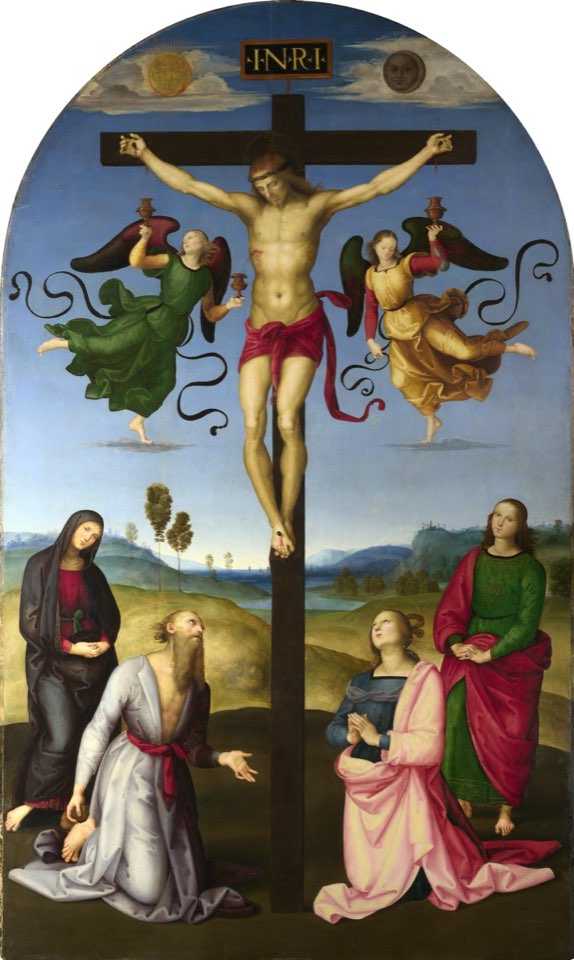
He died by crucifixion
Jesus was executed by Roman crucifixion under Pontius Pilate, a fact reported by Christian, Roman and Jewish sources alike.
All four Gospels narrate the arrest, the hearing before Pilate and the crucifixion outside Jerusalem. Their accounts agree on the essentials: a Roman execution, carried out on the eve of a Sabbath at Passover time, with Jesus dead before evening. John adds that a soldier pierced his side to make sure of it.
Writers with no sympathy for Christianity say the same. Tacitus, the Roman historian, writing c. AD 116, records that Christus suffered the death penalty under Tiberius by sentence of Pilate. Josephus, the Jewish historian, writing c. AD 93–94, reports that Pilate condemned Jesus to the cross; the passage was later expanded by Christian copyists, but most scholars hold that its core, including the execution, is his.
Two further sources point the same way. Mara bar Serapion, a Syrian prisoner writing to his son at a debated date, speaks of the Jews putting their “wise king” to death. A tradition in the Babylonian Talmud, Sanhedrin 43a, says Jesus the Nazarene was hanged on Passover eve. Hostile and friendly witnesses agree: Jesus died, publicly, at the hands of the authorities.
Crucifying him, they parted his garments among them, casting lots on them, what each should take. It was the third hour when they crucified him. … Jesus cried out with a loud voice, and gave up the spirit.
Christus, the founder of the name, had undergone the death penalty in the reign of Tiberius, by sentence of the procurator Pontius Pilatus
when Pilate, at the suggestion of the principal men among us, had condemned him to the cross; those that loved him at the first did not forsake him.
On Passover Eve they hung the corpse of Jesus the Nazarene after they killed him by way of stoning.
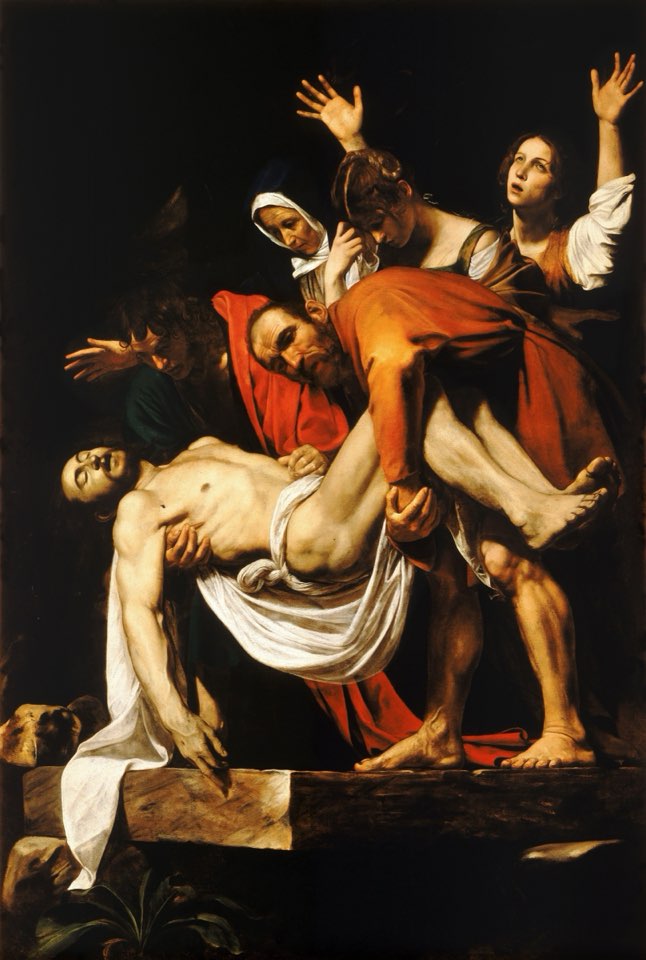
He was buried
Jesus’s body was placed in a known rock-cut tomb by Joseph of Arimathea, and the earliest Christian creed records that “he was buried”.
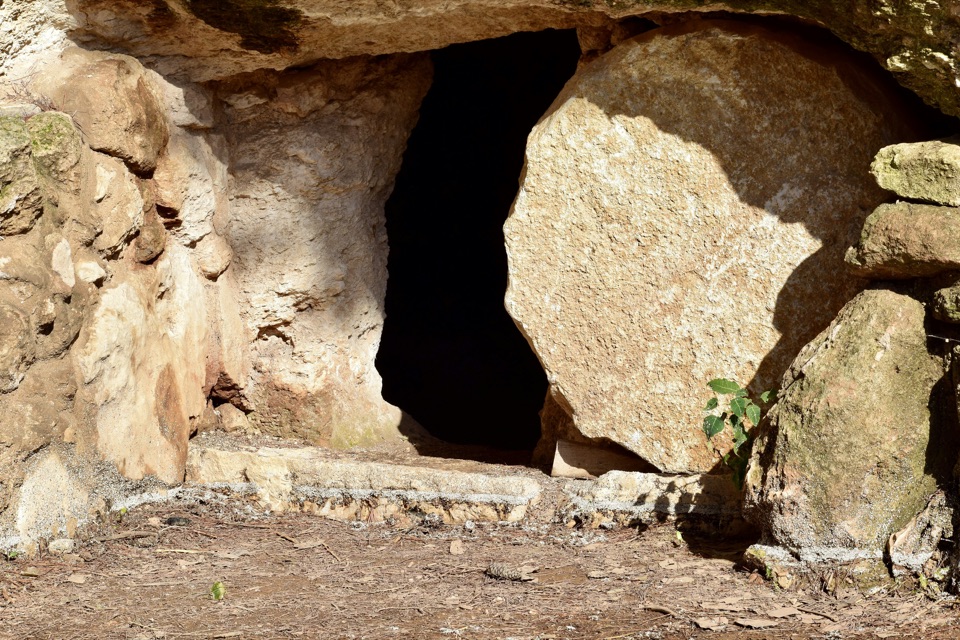
All four Gospels name the man who buried Jesus: Joseph of Arimathea, a town in Judea, described by Mark as a prominent member of the council, the Jewish ruling body in Jerusalem that had handed Jesus to Pilate. Joseph asked Pilate for the body, wrapped it in linen and laid it in a tomb cut from rock, closing it with a stone.
A named member of the very council that condemned Jesus is an unlikely figure for his followers to invent, and a public figure in Jerusalem would have been easy to check. Mark adds that Mary Magdalene and another Mary watched and “saw where he was laid”, so the place was known.
The creed Paul quotes in 1 Corinthians 15, which he had received years before he wrote it, includes the burial as its own clause: Christ died, he was buried, he was raised. The burial is not a detail added later; it stands in the oldest summary of the faith.
Joseph of Arimathaea, a prominent council member who also himself was looking for God’s Kingdom, came. He boldly went in to Pilate, and asked for Jesus’ body. … He bought a linen cloth, and taking him down, wound him in the linen cloth and laid him in a tomb which had been cut out of a rock. He rolled a stone against the door of the tomb. Mary Magdalene and Mary the mother of Joses, saw where he was laid.
that Christ died for our sins according to the Scriptures, that he was buried, that he was raised on the third day according to the Scriptures
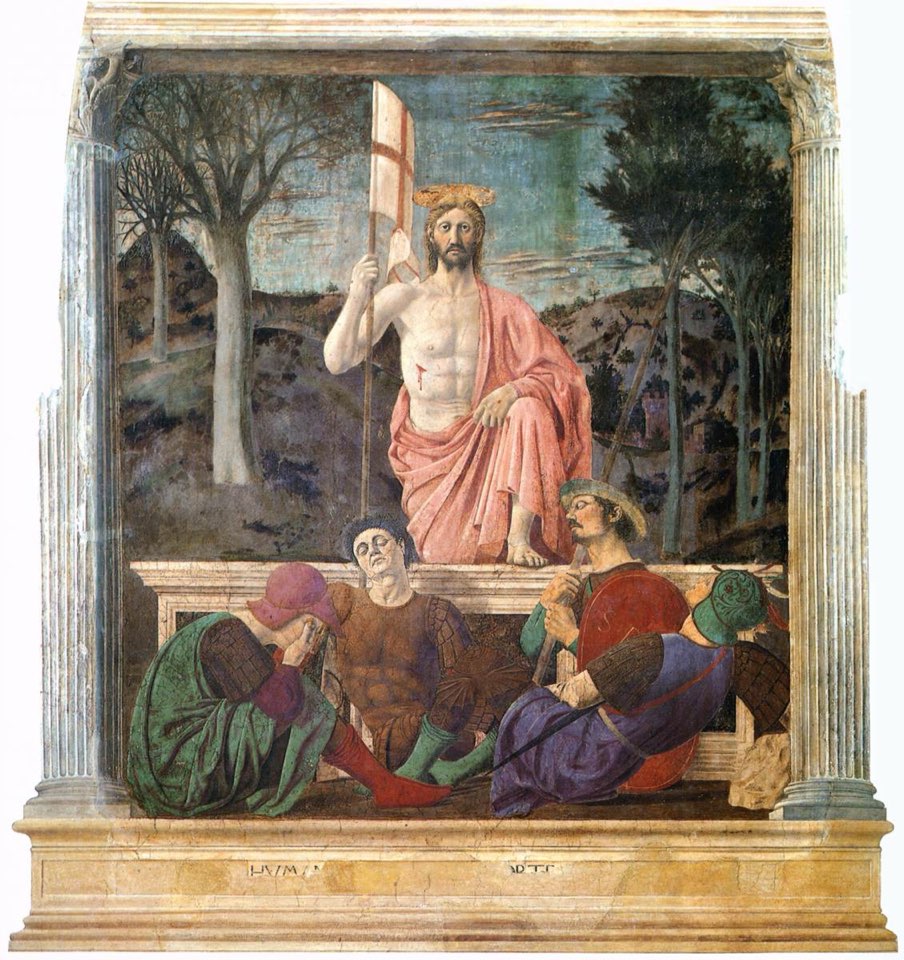
The tomb was found empty
On the first day of the week the tomb was found empty, a fact the earliest opponents of the Christians did not deny but tried to explain.
Mark, Matthew, Luke and John each report that the tomb was found open and empty early on the Sunday morning. They differ in the details of who went and what they saw first, as independent accounts of a confusing dawn tend to, but they agree on the central fact: the body was gone.
Matthew records the answer given by the authorities in Jerusalem: the disciples came by night and stole the body. He says this story was still told among the Jews in his own day. The counter-story concedes the point that matters. No one claimed the body was still in the tomb; the argument was over how it came to be empty.
The proclamation began in Jerusalem itself, a short walk from the tomb, within weeks of the execution. In Acts 2 Peter contrasts King David, whose tomb was still there to be seen, with Jesus, whom God raised. A message of that kind could not have survived in that city if the body could be produced.
Entering into the tomb, they saw a young man sitting on the right side, dressed in a white robe; and they were amazed. He said to them, “Don’t be amazed. You seek Jesus, the Nazarene, who has been crucified. He has risen! He is not here. See the place where they laid him!
they gave a large amount of silver to the soldiers, saying, “Say that his disciples came by night and stole him away while we slept. … This saying was spread abroad among the Jews, and continues until today.
he both died and was buried, and his tomb is with us to this day. … This Jesus God raised up, to which we all are witnesses.
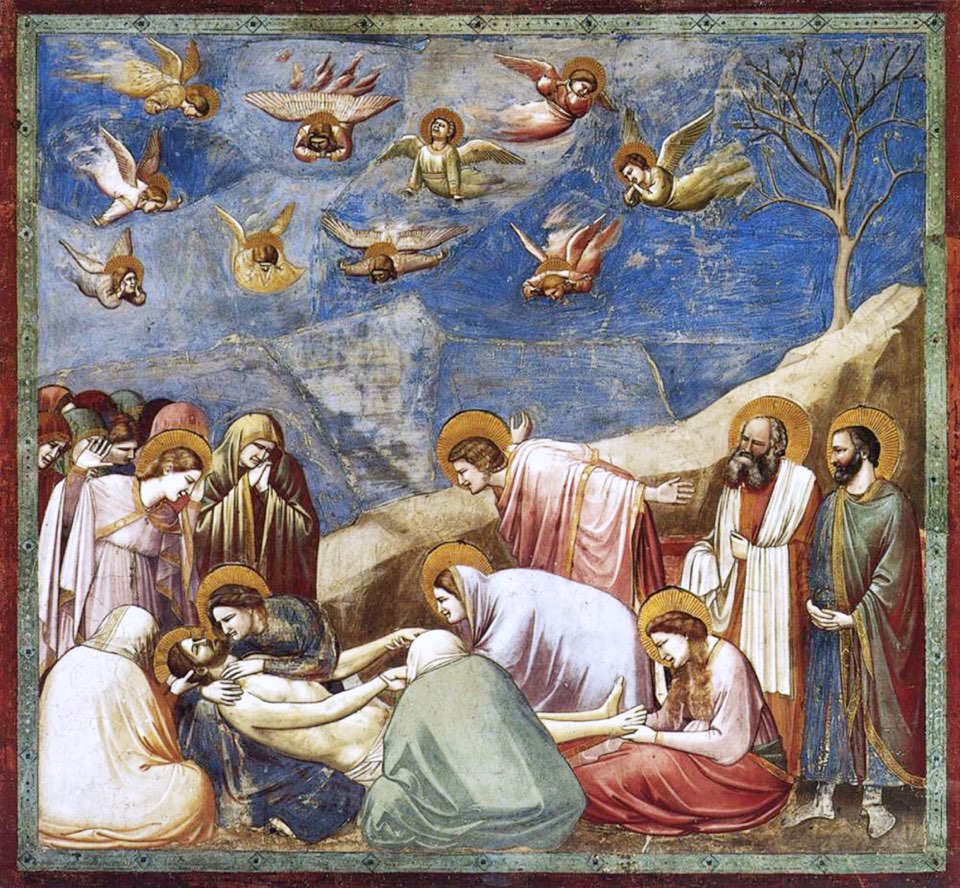
Women were the first witnesses
Every Gospel names women, led by Mary Magdalene, as the first to find the tomb empty, at a time when a woman’s testimony carried little weight.
In all four Gospels the discovery is made by women: Mary Magdalene, a follower of Jesus from Magdala in Galilee, with Mary the mother of James, Salome, Joanna and others. In John, Mary Magdalene is the first to see the risen Jesus and the one who carries the news to the disciples.
In first-century Judaism a woman’s word counted for little in public matters. Josephus states that women were not to be admitted as witnesses (Antiquities 4.219), and in the second century Celsus, a pagan critic, mocked the resurrection as resting on the word of an hysterical woman (reported by the third-century scholar Origen, Against Celsus 2.55). Luke admits that the apostles themselves at first dismissed the women’s report as nonsense.
Writers inventing a story to persuade would not have chosen witnesses their audience was inclined to discount. The formal creed Paul quotes, meant for public recitation, names only men. The women stand in the Gospel accounts because that is how the first Christians remembered it happening.
Now they were Mary Magdalene, Joanna, and Mary the mother of James. The other women with them told these things to the apostles. These words seemed to them to be nonsense, and they didn’t believe them.
Mary Magdalene came and told the disciples that she had seen the Lord, and that he had said these things to her.
The appearances
Individuals and groups, including Peter, the Twelve, more than five hundred at once, James and Paul, reported that they had seen Jesus alive after his death.
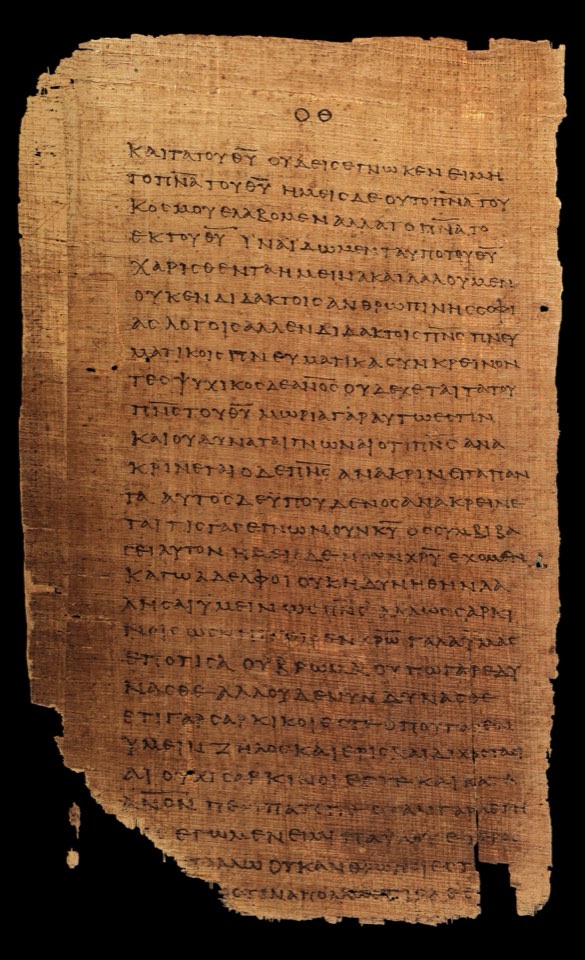
Paul wrote 1 Corinthians c. AD 53–55, but the list of appearances in chapter 15 is older than the letter. He introduces it with the words for handing on fixed tradition, “delivered” and “received”, and its balanced clauses read like a formula learned by heart. It names Cephas (the Aramaic name of Peter), the Twelve, more than five hundred brothers at once, James, all the apostles, and finally Paul himself.
Paul tells the Galatians when he was in a position to receive this. Three years after his conversion he went to Jerusalem and stayed fifteen days with Peter, and he also met James, the brother of Jesus. That visit falls c. AD 35–37, within a few years of the crucifixion. The creed reaches back to the men it names.
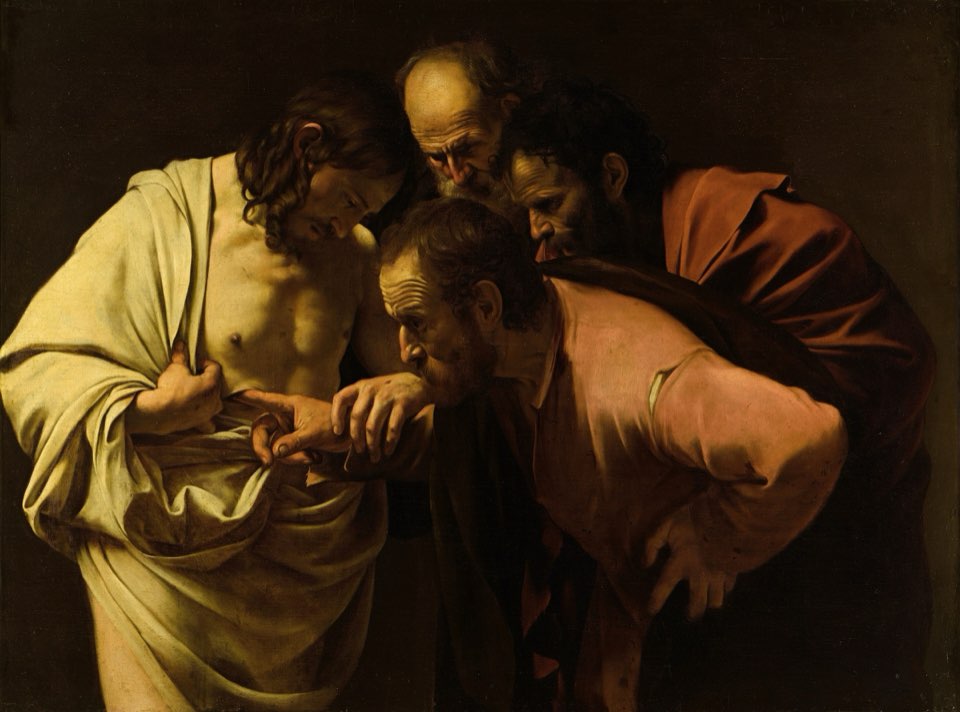
Paul adds that most of the five hundred were still alive when he wrote, an open invitation to ask them. The Gospels then narrate appearances in Jerusalem and Galilee: to the women, to two disciples on the road to Emmaus, to the disciples behind locked doors, to Thomas, and by the lake.
For I delivered to you first of all that which I also received: that Christ died for our sins according to the Scriptures, that he was buried, that he was raised on the third day according to the Scriptures, and that he appeared to Cephas, then to the twelve. Then he appeared to over five hundred brothers at once, most of whom remain until now, but some have also fallen asleep. Then he appeared to James, then to all the apostles, and last of all, as to the child born at the wrong time, he appeared to me also.
Then after three years I went up to Jerusalem to visit Peter, and stayed with him fifteen days. But of the other apostles I saw no one except James, the Lord’s brother.
When therefore it was evening on that day, the first day of the week, and when the doors were locked where the disciples were assembled, for fear of the Jews, Jesus came and stood in the middle and said to them, “Peace be to you.” When he had said this, he showed them his hands and his side. The disciples therefore were glad when they saw the Lord.
The sceptics who turned
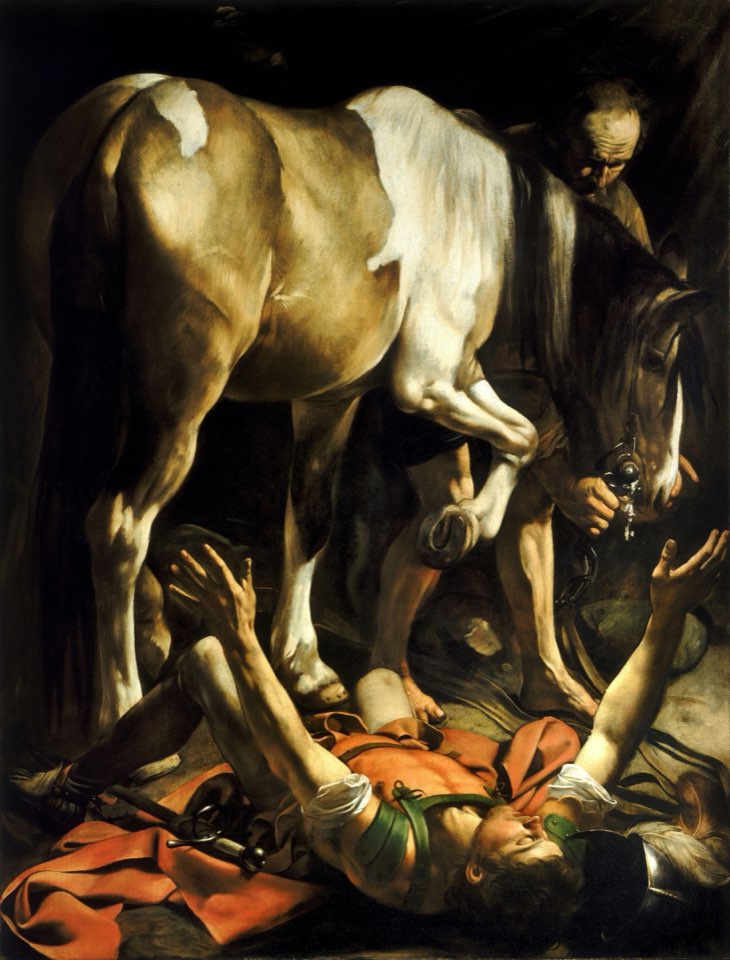
Two men who rejected Jesus during his life, his brother James and the persecutor Paul, became leaders of the movement after reporting that he had appeared to them.
During the ministry Jesus’s own family did not follow him. Mark records that they tried to take him home, saying he was out of his mind, and John states plainly that his brothers did not believe in him. Yet soon after the crucifixion his brothers are among the believers in Jerusalem, and James becomes the leading figure of the church there.
The creed gives the reason: “then he appeared to James.” James held to it until his death. Josephus records that in AD 62 the high priest Ananus had “the brother of Jesus who was called Christ, whose name was James” brought before the council and stoned, a passage widely accepted as genuine.
Paul was a Pharisee, a strict teacher of the Jewish law, who set out to destroy the church. By his own account he changed course because the risen Jesus appeared to him. The churches of Judea, he says, heard only that their former persecutor was now preaching the faith he had tried to destroy.
For even his brothers didn’t believe in him.
he assembled the sanhedrim of judges, and brought before them the brother of Jesus who was called Christ, whose name was James: and some others
beyond measure I persecuted the assembly of God and ravaged it. … “He who once persecuted us now preaches the faith that he once tried to destroy.”
The earliest proclamation
From the first weeks in Jerusalem the resurrection was the centre of the message, and within a generation Jesus was worshipped as Lord.
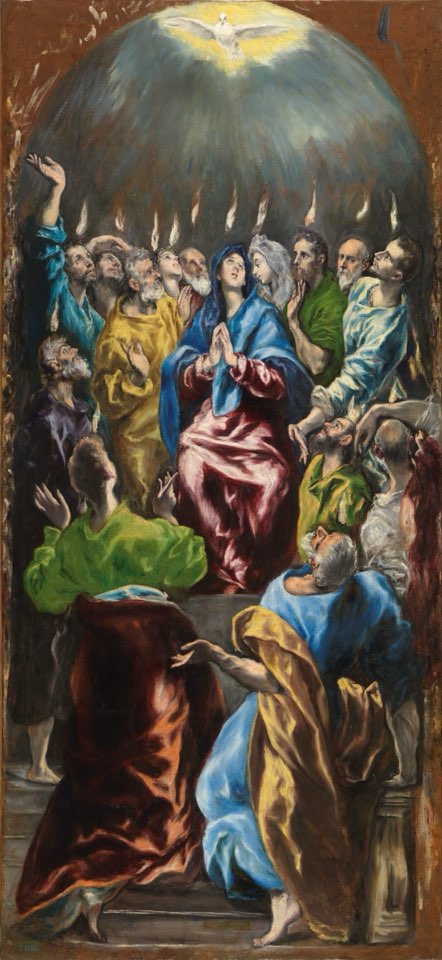
Acts 2 sets the first public preaching at Pentecost, the Jewish harvest festival seven weeks after Passover, in Jerusalem. Its message is short: the man you crucified, God raised, and we are witnesses. The resurrection is not a later development of the Christian message; it is where the message begins.
Paul’s letters, written within twenty-five years of the crucifixion, already assume that Jesus is worshipped. He quotes an Aramaic prayer, “Maranatha”, meaning “Our Lord, come”, which must come from the Aramaic-speaking church of Judea, and in Philippians a hymn in which every knee bows at the name of Jesus.
Outside observers confirm the picture. Pliny the Younger, Roman governor of Bithynia in north-west Asia Minor, reported to the emperor Trajan c. AD 112 that Christians met before daybreak to sing a hymn to Christ as to a god; some he questioned had left the movement twenty years earlier.
“Let all the house of Israel therefore know certainly that God has made him both Lord and Christ, this Jesus whom you crucified.”
Therefore God also highly exalted him, and gave to him the name which is above every name, that at the name of Jesus every knee should bow, of those in heaven, those on earth, and those under the earth, and that every tongue should confess that Jesus Christ is Lord, to the glory of God the Father.
on a stated day they had been accustomed to meet before daybreak and to recite a hymn among themselves to Christ, as though he were a god
Witnesses who suffered for it
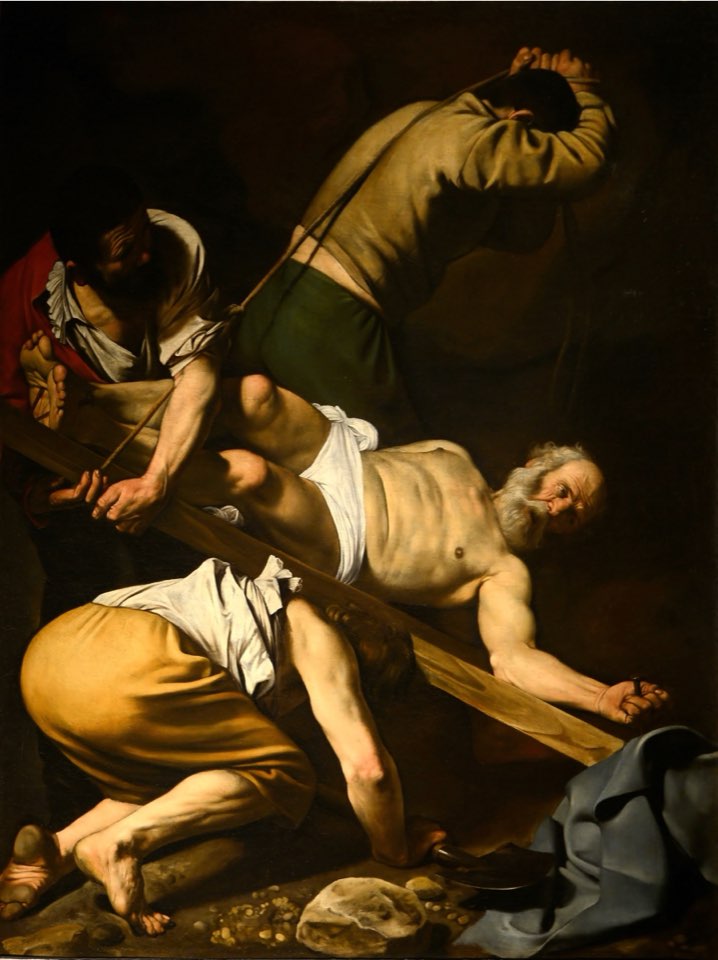
The leading witnesses held to their testimony under persecution and death, and the generation after them insisted that Jesus rose in the body.
Clement of Rome, writing for the church in Rome to the church at Corinth c. AD 96, recalls Peter and Paul as men of his own generation who were persecuted and put to death. Peter and Paul were not passing on a rumour; each claimed to have seen the risen Jesus himself. Men in that position knew whether what they proclaimed was true.
Ignatius, bishop of Antioch in Syria, wrote to the church at Smyrna c. AD 110 while being taken to Rome to die in the arena. Against teachers who said Christ only seemed to suffer, he insists that Jesus rose in the flesh, was touched by his disciples, and ate and drank with them.
Ignatius ties his own death to that conviction: if the resurrection happened only in appearance, then his chains are only an appearance too. He wrote those words on the road to his own execution. The first witnesses and the generation that knew them staked their lives on a bodily resurrection, and they did so openly, under their own names.
Peter, through unrighteous envy, endured not one or two, but numerous labours and when he had at length suffered martyrdom, departed to the place of glory due to him. Owing to envy, Paul also obtained the reward of patient endurance
For I know that after His resurrection also He was still possessed of flesh, and I believe that He is so now. When, for instance, He came to those who were with Peter, He said to them, “Lay hold, handle Me, and see that I am not an incorporeal spirit.” And immediately they touched Him, and believed
But if these things were done by our Lord only in appearance, then am I also only in appearance bound. And why have I also surrendered myself to death, to fire, to the sword, to the wild beasts?
Taken together, these lines converge: a public execution, a known tomb, a tomb found empty and conceded empty by opponents, women as first witnesses, a creed reaching back to the men who saw, a brother and a persecutor won over, worship of Jesus from the start, and witnesses who held firm to death. Any explanation has to account for all of it at once. The first Christians gave theirs in three words, “He has risen”, and the reader is invited to weigh whether any other account fits the evidence as well.